Resources » Podcasts » Training & Education » Food Safety in Higher Education: Integrating Food Safety Education into the Culinary Arts (Part II) – Episode 20
Food Safety in Higher Education: Integrating Food Safety Education into the Culinary Arts (Part II) – Episode 20
Presented By Sani Professional
In Part 2 of this conversation, Dr. Hal King continues his discussion with Ted McCall, Ed.D., faculty member at the College of Food Innovation and Technology (CFIT) at Johnson & Wales University. They dive deeper into the importance of food safety education in culinary programs, the evolving mindset of today’s culinary students, and how classroom lessons translate to real-world practices in professional kitchens.
Ted continues to unpack the complex world of culinary education, offering deeper insights into food safety education, staff training, and building a culture of accountability. He also shares how institutions can foster a culture of food safety knowledge among administration, staff and students.
Have a food safety question you’d like us to answer in a future episode? Click on this LINK to submit your question and stay tuned for more expert insights!
About the author
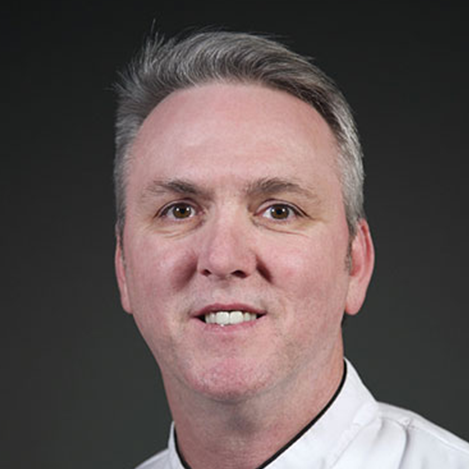
Ted McCall, Ed.D.
Faculty, College of Food Innovation and Technology, Johnson & Wales University
Dr. Ted McCall is a dedicated food safety educator and faculty member at Johnson & Wales University’s College of Food Innovation and Technology (CFIT), where he brings decades of industry experience into the classroom. With a background in culinary arts, hospitality, and operations management, Ted blends hands-on expertise with a deep commitment to advancing food safety education.
Throughout his career, Ted has been instrumental in shaping curriculum that bridges culinary technique with critical food safety principles. He played a key role in developing Johnson & Wales’ HACCP training program and has helped embed food safety as a core focus of the university’s culinary education. His passion lies in preparing the next generation of food professionals to lead with knowledge, responsibility, and a strong safety culture.
Ted holds a Doctor of Education in Educational Leadership from Northeastern University and a master’s degree from Johnson & Wales University. He continues to champion the integration of real-world safety practices throughout every stage of culinary education.